SINGAPORE – For much of its history, Resorts World Sentosa (RWS) was seen as a stopover rather than a stay-put destination. Visitors typically arrived for a single attraction – Universal Studios Singapore (USS), the aquarium or, occasionally, the casino – before moving on.
Over time, that attraction-centric model lost steam. Prolonged redevelopment works disrupted footfall and weighed on revenue, even as the integrated resort (IR) poured billions into refreshing its offerings.
During the same period, rival Marina Bay Sands (MBS) continued to strengthen its pull, attracting gamers, tourists and locals alike with new restaurants, entertainment, and a steady pipeline of MICE (meetings, incentives, conventions and exhibitions) events.
Now, RWS is seeking to write a new growth story. Its recently appointed chief executive is repositioning the resort as an experience-led destination, built around distinctive programming that cannot be easily replicated elsewhere in Singapore – with the aim of encouraging longer stays and repeat visits.
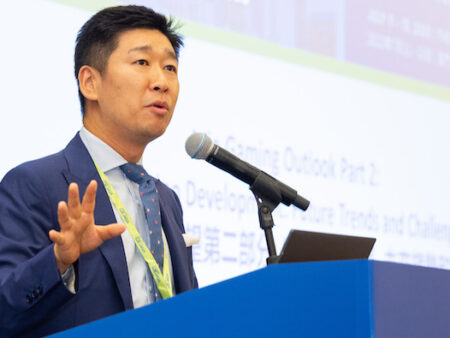
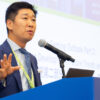
Many visitors, especially locals, have stayed away for years, and winning them back will be crucial to the next phase of growth, said RWS chief executive Lee Shi Ruh in an interview with The Straits Times.
“To bring people back, they need to feel this is a place they can spend time with family and friends, with something new every two to three weeks,” she said, adding that RWS wants to become a venue Singaporeans visit regularly to discover new experiences.
This push comes after a setback in November 2024, when RWS’ casino licence was renewed for only two years from Feb 6, 2025, instead of the usual three. The decision followed an “unsatisfactory” tourism performance assessment by the Gambling Regulatory Authority for the 2021–2023 period.
Another review is due in late 2026, which will determine whether RWS has revitalised its appeal sufficiently to secure a full three-year licence renewal.
Fresh attractions, new perceptions
In recent years, RWS has deliberately rolled out first-in-market concepts to spark renewed interest and repeat visits.
Since 2019, Genting Singapore – the owner and operator of RWS – has invested heavily in its RWS 2.0 transformation, a S$6.8 billion project that will expand the IR’s gross floor area by 50 per cent through new attractions, luxury hotels and lifestyle developments.
In 2025, several headline attractions were completed, reinforcing the resort’s non-gaming appeal. These include Minion Land at USS and the Singapore Oceanarium.
RWS also unveiled Weave, a new lifestyle mall featuring more than 40 retail and dining brands. Highlights include Pierre Hermé Paris’ first South-east Asia outlet, Ka-Mon – Singapore’s first restaurant combining three traditional Japanese grilling styles – as well as the country’s first Coach coffee shop and a Din Tai Fung outlet with Asia’s first cocktail bar.
Together with Marriott International, RWS launched The Laurus, Singapore’s first Luxury Collection resort, following negotiations that spanned more than a year.
The IR has also competed aggressively to host large-scale global events. Among the standout moments in 2025 was the Wicked: For Good Asia-Pacific premiere at USS – the show’s only stop in Asia – which drew strong visitor traffic in November and December.
Other highlights included China’s Bubbling & Boiling Music and Arts Festival, which blended live performances, digital art and cultural showcases.
Looking ahead to 2026, more dining, nightlife and family-focused concepts are planned, including interactive museum Dopamine Land and People People brewery at Weave. A year-long collaboration with Pop Mart, the maker of the Labubu dolls, has already begun with an exclusive pop-up store at the resort.
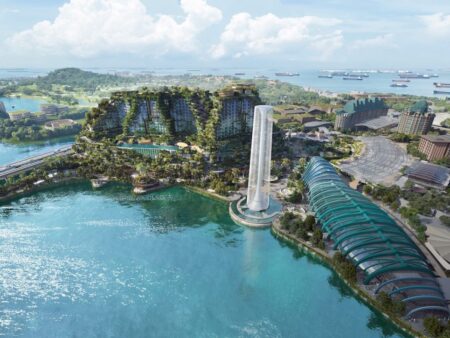
By 2030, RWS will expand by more than 164,000 sq m with a new waterfront development featuring two luxury hotels, retail and dining spaces, and an 88m-tall “mountain trail”. Super Nintendo World is also slated to open at USS.
These upgrades have come at the cost of familiar landmarks. The Madagascar Zone at USS made way for Minion Land, The Forum shopping area was replaced by Weave, Malaysian Food Street was redeveloped into the higher-end Feast at Wave, and both the Hard Rock Hotel and Hard Rock Cafe were shuttered.
The goal, Ms Lee said, is for “people to see that RWS is different now”.
Reclaiming lost ground
Changing perceptions and regaining market share will take time, especially after years of construction disruptions pushed business towards MBS, which now commands a larger share of gaming revenue in Singapore’s two-IR market.
According to Ms Lee, drawing gamers back hinges on enhancing the broader environment around the casino – giving guests reasons to stay longer, return more often and bring others along.
RWS, she stressed, is not trying to mirror MBS’ luxury retail strategy. Instead, it aims to carve out a distinct identity anchored in food, lifestyle and entertainment.
“In the past, some guests came to gamble and left immediately,” she said. “We want them to feel there’s more to do – eat, drink, socialise, and spend time with family and friends.”
With the bulk of disruptive works completed, RWS is shifting from construction mode to operational stability and repositioning itself as a dynamic, ever-evolving destination. Ms Lee, who is also president and chief operating officer of Genting Singapore, said there will be no further waves of major closures.
“Now, it’s about putting everything together,” she said.
That shift is also intended to reassure investors following Genting Singapore’s weak financial showing in 2025. The company reported a 34 per cent year-on-year drop in first-half profit to S$234.7 million, while revenue fell 10 per cent to S$1.2 billion, weighed down by softer gaming and hotel performance despite stronger attraction revenues.
Ms Lee, who succeeded former RWS CEO Tan Hee Teck in June 2025, said management has spent the past year engaging closely with investors to explain the new operating model.
Confidence, she added, is gradually returning as the changes become visible.
“They can see how the business has shifted,” she said. “But results don’t come overnight. Rebuilding takes time.”
Encouragingly, non-gaming segments are already showing momentum. In the third quarter of 2025, Genting Singapore posted earnings of S$94.6 million, up from both the previous quarter and a year earlier, while revenue climbed to S$649.8 million, supported by higher spending from top-tier casino patrons and continued growth in non-gaming businesses.
By comparison, MBS reported third-quarter profit of US$743 million (S$957.6 million) on revenue of US$1.4 billion, driven largely by its casino operations.
While public perception will not shift instantly, Ms Lee believes progress is evident.
“I met people recently who hadn’t visited in years and were pleasantly surprised by how much has changed,” she said.
Explore trusted online casino review with Casino Singapore Review. Ready to play? Sign up now and start winning today!